Your historical bullshit guide to Belgian Beer World

Last time, I wrote about my first impressions of Belgian Beer World. This costly tourist attraction opened in 2023 right in the heart of Brussels, capital of beer country Belgium. It cost 90 million euros to renovate the old stock exchange building and set up the exhibit on the nation’s most popular drink. Most of this money was coughed up by the government, as the Belgian brewers themselves only contributed less than 6 million.[1]

Let’s just see how well this money was spent. After all, Belgian beer culture is on Unesco’s protected Cultural Heritage list, Belgium is home to the world’s biggest brewery, AB InBev. Belgium is rightly known for the great variety and quality of its beers, including a few respectable types that have been around for centuries, such as white beer, gueuze-lambic and Flemish old brown, and newer beers that found their way into drinkers’ hearts such as abbey beer, saison, Belgian strong pale ale, fruit beer and spéciale belge.

This should be a no-brainer, right? All this should logically result in a high-end top-quality visitor ‘experience’, not in the least because so much old and new material is available, and because so much wonderful history has been recorded, so many fantastic stories to tell? As might be expect from the united Belgian Brewers, who have a reputation to uphold? How difficult can it be to brew something worthwile out of that?

(more…)


Three ‘beer experiences’ in and around Brussels

The tourist season is here again, and for a beer tourist, there’s no better place than Belgium. Therefore I recently visited three ‘beer experiences’ in and around Brussels. What do they offer, and is it worth spending your hard-earned money on a ticket? Let’s look inside the Abbey beer museum at Grimbergen, the Beer museum on the Grand-Place, and the Belgian Beer World at La Bourse.

(more…)


Thanks to the magic lantern: lambic is (slightly) older than we thought

It will happen someday: my book on the history of Belgian beers. Already I’m working on a timeline, not unlike the one featured in my book on lost Dutch beers, published in 2017: an overview of which beer types existed from when, and in many cases, when they disappeared. Therefore, I keep on looking for the earliest (and latest) mentions of certain beers. Since when have we known white beer, grisette, Flemish old brown and saison? That’s why I was happy as a pig in muck last week, when I found a new starting date for one of my favourite beer types: lambic. And it has everything to do with a magic lantern.

(more…)


Beer riots in 19th century Brussels

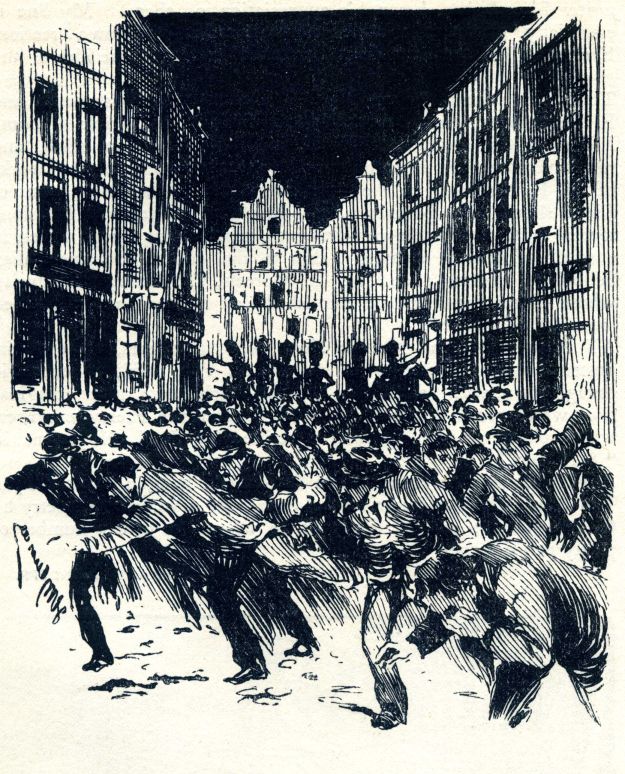
Henri Meurnier - Strike in Brussels - Wikimedia CommonsClimate protests, angry farmers, yellow vests: mass protests are all over the news at this moment. So far, I haven’t seen beer lovers on the barricades, but even this used to happen once in a while. In 19th century Brussels for instance.

(more…)


The memoirs of Jef Lambic

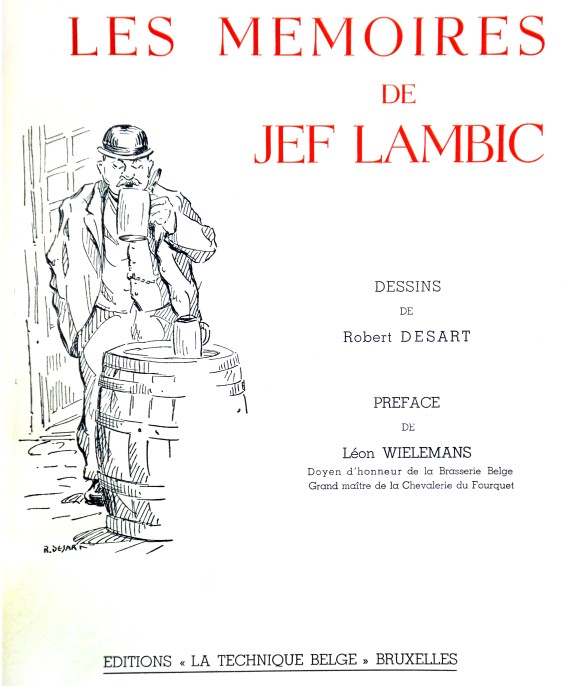
The Pottezuyper. The Brommelpot. The Kwaksalver. Krott & Compagnie.[1] They’re just a few of the many types of pub-goers described by a mysterious writer from Brussels in his Mémoires de Jef Lambic. This little book, published in 1958, is all about beer, pubs, and especially ‘zwanze’, a type of humour particular to Brussels. And all this in a late 19th century setting of gaslight and horsecars. It’s an odd book that has to be dissected on multiple levels, because: who actually wrote it, and what of it is true?

(more…)


Eight myths about lambic debunked

The author doing field research in Belgium...The lambic family of beers, consisting of lambic, gueuze, faro and kriek, has been making a remarkable comeback. Doomed to be extinct in the early 1970s, as drinks made for old men by old men, these beers from Brussels and surroundings were kept alive by passionate people that at first must have been regarded by locals as ‘quite crazy’. By now, their perseverance has paid off: today, lambic and gueuze are beer specialities highly coveted by beer lovers around the globe. (more…)


Gueuze in barrels (2)

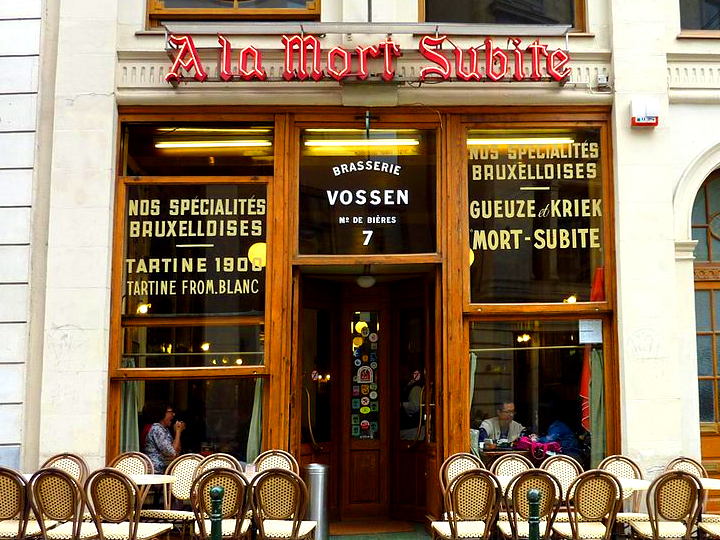
A la Mort Subite, the café owned by Albert Vossen. Source: WikipediaIn the previous article, I wrote about gueuze, one of the best Belgian beers, known for its refermentation in bottles like champagne. However, in the past it was often also sold in barrels. For instance, in 1909 one Edmond Mineur described an old man from Brussels who every morning invariably had a gueuze from cask, but in the evening closed his day with a few good pints of gueuze from bottle, smoking his pipe.[1] So what was gueuze actually? And why is it a bottled beer almost by definition today? I found a few surprising answers… and they have everything to do with the trade of gueuze blender itself. (more…)


Gueuze in barrels (1)

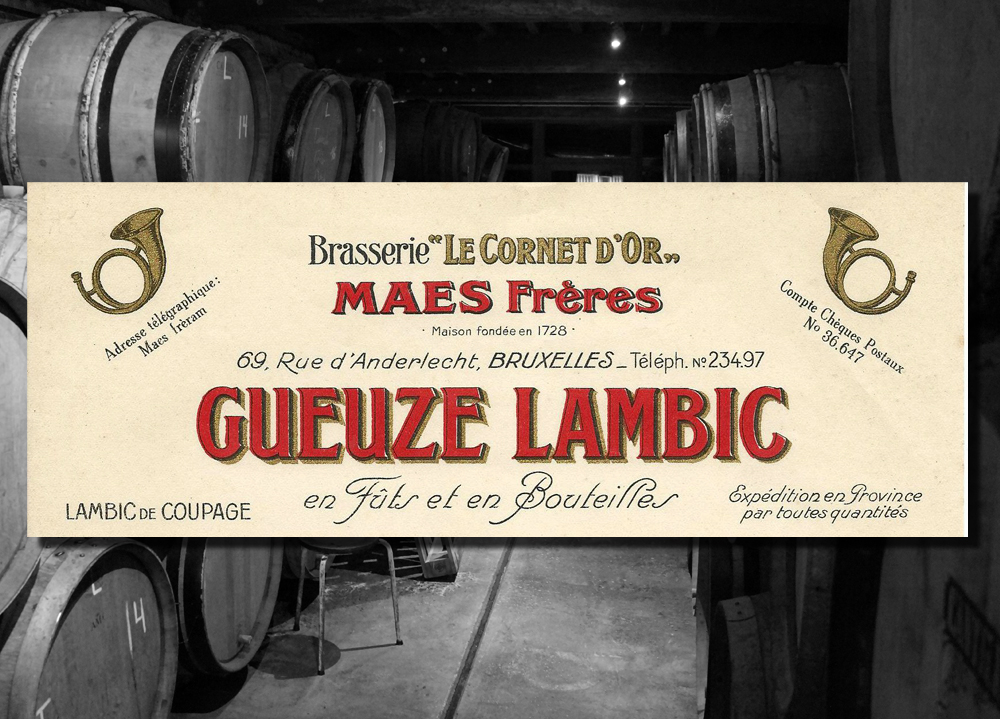
Advertisement for gueuze-lambic from Maes Frères, 'in barrels and bottles'. Source: Patrick Goderis, Bières et brasseries bruxelloisesGueuze: the Belgian beer style known as the ‘champagne among beers’. After all, this spontaneously fermented beer belongs in a bottle, where it can develop its foam that joyously bursts in all directions when the cork pops out. Right? So why do I keep finding old newspaper ads where gueuze is advertised… in barrels?

(more…)


Lambic: the real story

Lambic busted - Original from: delcampe.netSometimes you suddenly see the light. At least I did last Saturday, at the Carnivale Brettanomyces in Amsterdam. I was invited to do a talk at this wild yeast festival, and it was another nice opportunity to socialise with other Dutch beer enthusiasts. Blending my own Mestreechs Aajt with beer writer Henri Reuchlin at the bar at the Arendsnest for instance, from the extremely sour barrel beer and a few commercially available beers by Gulpener. Great fun, but to me the climax was the (undeservedly poorly-attended) talk by Raf Meert, the lambic mythbuster.

(more…)


Dutch Faro and Lambic

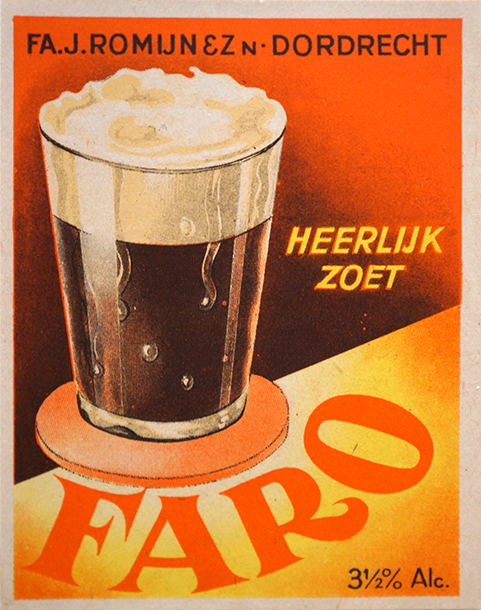
Faro Sleutel DordrechtBelgium has its lambic, faro and geuze, spontaneously fermented beers that can only be produced in the Zenne valley and the Pajottenland near Brussels. Or can they? Learn about the historical Lambic beers of Holland. With a recipe.

(more…)