


Your historical bullshit guide to Belgian Beer World
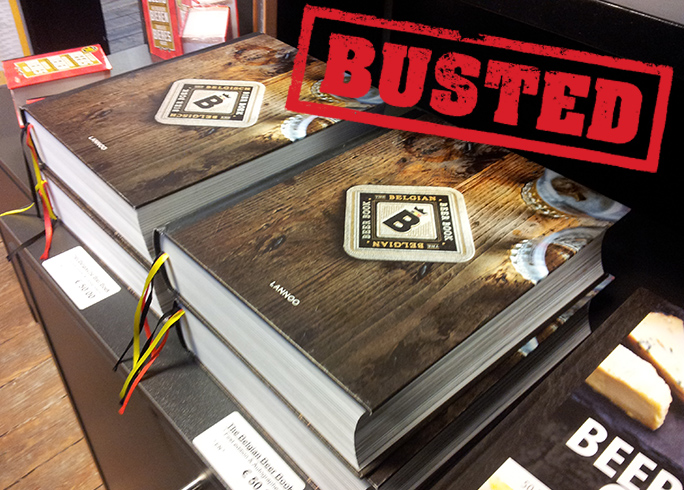
 Last time, I wrote about my first impressions of Belgian Beer World. This costly tourist attraction opened in 2023 right in the heart of Brussels, capital of beer country Belgium. It cost 90 million euros to renovate the old stock exchange building and set up the exhibit on the nation’s most popular drink. Most of this money was coughed up by the government, as the Belgian brewers themselves only contributed less than 6 million.[1]
Let’s just see how well this money was spent. After all, Belgian beer culture is on Unesco’s protected Cultural Heritage list, Belgium is home to the world’s biggest brewery, AB InBev. Belgium is rightly known for the great variety and quality of its beers, including a few respectable types that have been around for centuries, such as white beer, gueuze-lambic and Flemish old brown, and newer beers that found their way into drinkers’ hearts such as abbey beer, saison, Belgian strong pale ale, fruit beer and spéciale belge.
This should be a no-brainer, right? All this should logically result in a high-end top-quality visitor ‘experience’, not in the least because so much old and new material is available, and because so much wonderful history has been recorded, so many fantastic stories to tell? As might be expect from the united Belgian Brewers, who have a reputation to uphold? How difficult can it be to brew something worthwile out of that?
 To be perfectly honest, I started this quest for the lost beers of Holland mainly looking for recipes of the 18th and 19th century. Why? Two reasons: they are easier to find and to interpret, and nobody had really written about them before. So far, every new beer recipe feels like a lost treasure found after deep digging. Still, the 19th century is not exactly the heyday of Dutch beer. The Middle Ages were. For a few centuries Holland was the leading beer exporting country that taught even the British and Belgians how to brew beer with hops. But we’ll get to that.